
How Often Does A Septic Tank Need Cleaning?
The honest answer: it depends on tank size and household size, not a fixed calendar date. A residential septic tank is typically pumped every 3 to 5 years, and that range comes from how fast solids build up relative to the tank's capacity. A family of six fills a tank faster than a couple living alone, so the smaller end of that range applies more often to bigger households. Saint Charles homes on older systems, or ones with garbage disposals running heavy food waste, tend to need service sooner rather than later. If you're not sure where your tank sits in that cycle, septic tank warning signs is worth a read before you guess wrong. For homes without a working city sewer connection, a holding tank rental can bridge the gap during repairs. And if a tank backs up before your scheduled pump-out, emergency septic service is the faster path. Saint Charles Porta Pros prices septic pumping the same way regardless of whether it is routine maintenance or a surprise call.
What Signs Mean My Septic Tank Needs Pumping Now?
Slow drains throughout the house, gurgling pipes, standing water near the drain field, or a sewage smell in the yard all point to a tank that's full or failing. These are not subtle. If more than one fixture in the house is slow at the same time, that's usually not a clogged pipe, it's a tank problem. Saint Charles properties on flat lots can see drain field pooling faster than homes on a slope, since water has nowhere to run off. Waiting on these signs risks a backup into the house, which costs a lot more to clean up than a pump-out would have. Check septic tank warning signs for the fuller list. If the smell or backup happens on a weekend or after hours, emergency septic service is built for exactly that. Homes running a restaurant kitchen or a commercial food operation should also look at grease trap pumping separately, since a grease interceptor is pumped once fats, oils, grease and solids reach 25 percent of the liquid depth, a different clock entirely from the main septic tank.
What Does Septic Pumping Cost In Saint Charles?
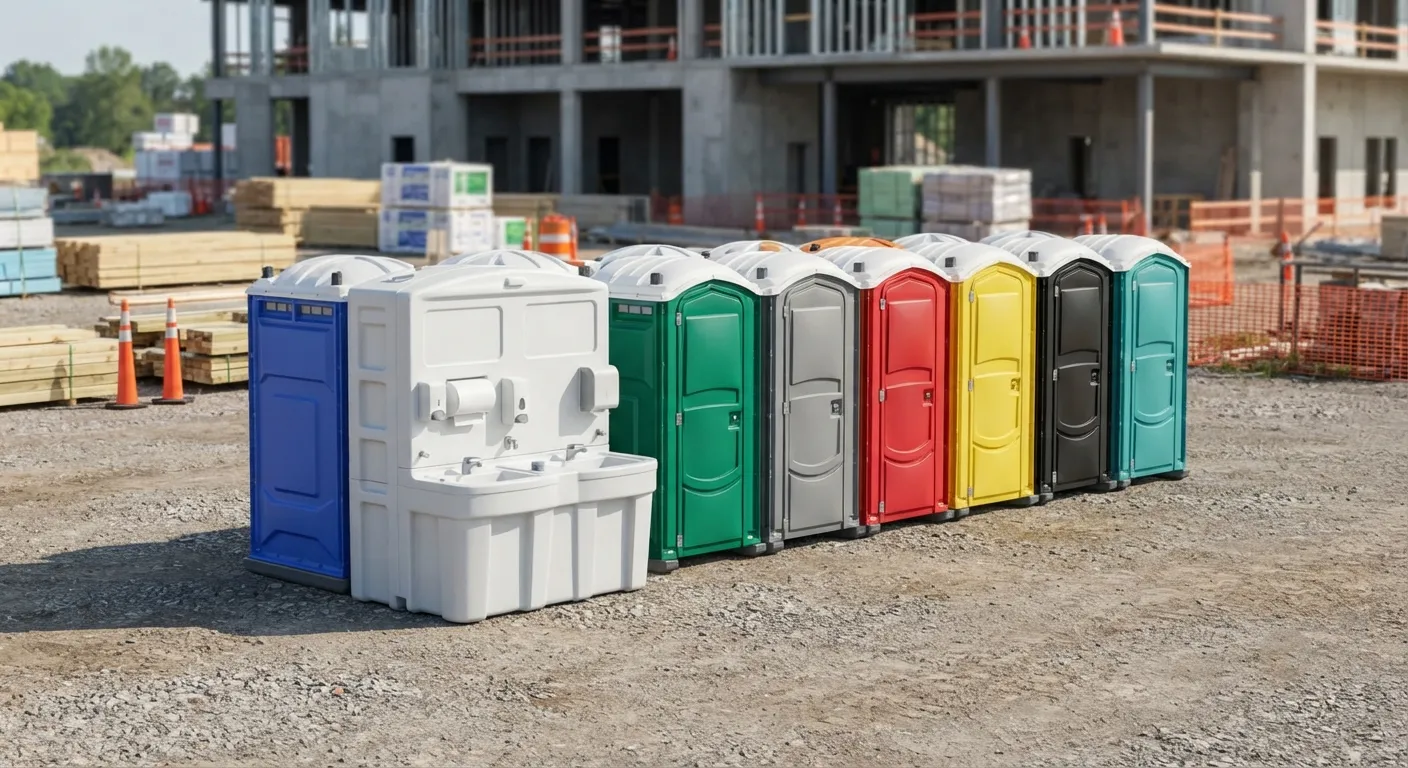
Pricing depends mostly on how the job is scheduled. A standard septic pump-out runs as a day rate, and weekend service carries its own separate rate since it's scheduled outside normal routes.
| service | duration | typical price range |
|---|---|---|
| Septic pumping | day | $150 to $300 |
| Septic pumping | weekend | $50 to $150 |
Those numbers cover the pump-out itself. Full septic tank pumping cost details factor in tank size and access, so a page dedicated to that gives you a clearer estimate than a flat number here. If your system is due soon and you want it scheduled routinely instead of reactively, septic tank cleaning covers what a standard maintenance visit involves. Homes further out from Saint Charles, including areas near St. Peters 6.9 miles west or Maryland Heights 9.4 miles southeast, still fall inside the standard service radius for septic pumping service.
Should I Pump More Often If I Have A Big Family?
Yes. A larger household puts more water and solids through the tank every week, which shortens the interval even on a properly sized 1,000 gallon tank. A family of two might stretch toward the 5 year mark, while a family of six or more should plan closer to the 3 year side, sometimes sooner if the tank is undersized for the house. Garbage disposals, frequent laundry loads, and hot tubs draining into the same system all add volume the tank has to process. Saint Charles Porta Pros can look at usage patterns during a routine visit and tell you honestly whether you're on track or running behind. Construction sites and event grounds have a completely different sanitation math driven by worker or attendee counts rather than household size; that side of the business is covered under construction site services and OSHA Portable Toilet Requirements, which cites OSHA 1926.51(c)(1) for toilet facility ratios on job sites. Homes considering a full septic replacement or expansion should also weigh a storage container rental or mobile office trailer rental if the work displaces a bathroom for a stretch. For anyone weighing portable options during a septic repair, portable restroom rental fills that need temporarily, and porta potty rental cost breaks down what that runs by duration.
How do I know if my septic tank is full?
Slow drains in multiple fixtures at once, gurgling in the pipes, or a sewage odor near the tank or drain field are the clearest signs. Standing water in the yard above the tank is another. If you see any of these, schedule a pump-out before it backs up into the house.
Does a garbage disposal affect septic pumping frequency?
Yes. A garbage disposal adds solids to the tank faster than normal use, which shortens the interval between pump-outs. Households running a disposal heavily should lean toward the 3 year end of the 3 to 5 year range rather than the 5 year end.
Can I pump my own septic tank?
No. Septic pumping requires proper equipment and disposal at an approved facility. Saint Charles Porta Pros handles the pump-out and disposal so the job meets local requirements without guesswork.
What happens if I never pump my septic tank?
Solids build up until they overflow into the drain field, clogging it. That failure is expensive to fix and sometimes means replacing the whole drain field. Regular pumping every 3 to 5 years, per household size, is far cheaper than that repair.
Is septic pumping different from grease trap pumping?
Yes. A residential septic tank handles household wastewater on a 3 to 5 year cycle. A grease interceptor is pumped once fats, oils, grease and solids hit 25 percent of the liquid depth, which happens much faster in a busy kitchen. See grease trap pumping for that schedule.
Next step
Get a delivery date
Tell us the address, the dates and the headcount. We size the order and confirm the route.